Mechanical Parts Manufacturing Companies Complete Guide to Production Processes
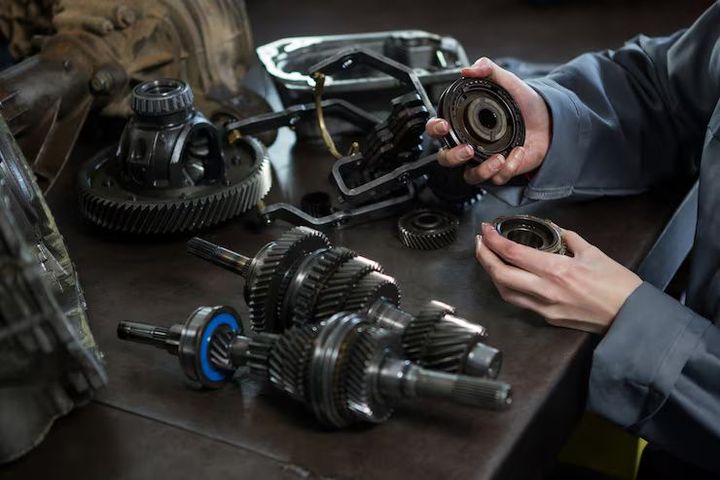
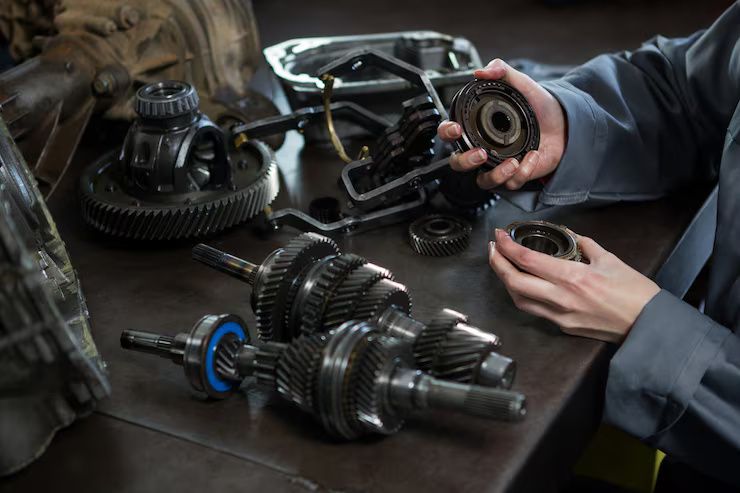
Mechanical Parts Manufacturing is a fundamental part of modern industry. It involves the design, production, and finishing of components used in machines, vehicles, industrial equipment, consumer products, and infrastructure systems. These components can range from simple fasteners and brackets to highly precise gears, shafts, bearings, and engine parts.
The origins of Mechanical Parts Manufacturing can be traced to the development of machine tools during the Industrial Revolution. As industries expanded, manufacturers required standardized components that could be produced consistently and assembled efficiently. Advances in engineering, metallurgy, and automation gradually transformed manufacturing from manual craftsmanship into highly sophisticated industrial operations.
Today, Mechanical Parts Manufacturing supports countless industries, including automotive, aerospace, healthcare, construction, energy, agriculture, and electronics. Modern manufacturing facilities use advanced machinery, computer-controlled systems, and quality management processes to produce components that meet specific engineering requirements.
What Mechanical Parts Manufacturing Involves
The manufacturing process generally converts raw materials into finished components through a series of controlled operations.
Common production stages include:
- Material selection
- Component design
- Machining and shaping
- Heat treatment
- Surface finishing
- Quality inspection
- Packaging and distribution
Each stage contributes to the performance, durability, and functionality of the final component.
Common Types of Mechanical Parts
| Component Type | Typical Function | Common Applications |
|---|---|---|
| Gears | Transfer motion and power | Vehicles and machinery |
| Shafts | Transmit rotational force | Industrial equipment |
| Bearings | Reduce friction | Motors and machines |
| Fasteners | Join components | Construction and manufacturing |
| Springs | Store mechanical energy | Automotive and industrial systems |
| Valves | Control fluid flow | Energy and processing facilities |
These components are often essential for the operation of larger mechanical systems.
Importance
Mechanical Parts Manufacturing plays a major role in supporting economic activity, technological development, and industrial productivity.
Supporting Industrial Operations
Most industrial equipment relies on mechanical components to function correctly. Manufacturing facilities, transportation systems, and energy infrastructure depend on a steady supply of precision-made parts.
Without reliable component production, maintaining industrial operations would become significantly more challenging.
Enabling Modern Transportation
Cars, trucks, trains, aircraft, and marine vessels contain thousands of manufactured mechanical components. These parts work together to support movement, safety, and operational efficiency.
Mechanical Parts Manufacturing contributes directly to transportation systems used by millions of people every day.
Supporting Infrastructure Development
Infrastructure projects rely on mechanical components used in construction equipment, elevators, water systems, power plants, and transportation networks.
Manufactured parts help ensure that infrastructure systems operate safely and efficiently over long periods.
Advancing Engineering Innovation
New technologies often require specialized components with unique characteristics. Engineers depend on modern manufacturing capabilities to produce parts that meet increasingly demanding performance requirements.
This connection between engineering and manufacturing supports innovation across many industries.
Maintaining Equipment Reliability
Machines and industrial systems are subject to wear over time. Replacement parts are often necessary to maintain performance and reduce operational disruptions.
Mechanical Parts Manufacturing helps ensure that replacement components remain available for maintenance and repair activities.
Recent Updates
Mechanical Parts Manufacturing continues to evolve through advancements in automation, digital technologies, and production techniques.
Expansion of Smart Manufacturing
Many manufacturing facilities are adopting smart manufacturing technologies that use sensors, data analysis, and connected systems.
Examples include:
- Real-time production monitoring
- Equipment performance tracking
- Digital process control
- Automated reporting systems
These technologies improve visibility throughout manufacturing operations.
Increased Use of Automation
Automation has become more common in machining, assembly, and inspection processes.
Automated systems may include:
- Robotic handling equipment
- CNC machining centers
- Automated measurement systems
- Material transport systems
These tools help improve consistency and production efficiency.
Growth of Additive Manufacturing
Additive manufacturing, commonly known as 3D printing, continues to expand in industrial applications.
This technology allows manufacturers to produce prototypes and certain complex components using layer-by-layer material deposition techniques.
Enhanced Precision Manufacturing
Modern production equipment can achieve extremely tight tolerances required for advanced applications.
Industries such as aerospace, healthcare, and electronics increasingly depend on precision manufacturing technologies for critical components.
Greater Focus on Sustainability
Manufacturers are implementing practices intended to reduce resource consumption and environmental impacts.
Current trends include:
- Material recycling
- Energy-efficient equipment
- Waste reduction programs
- Digital process optimization
These efforts align with broader sustainability objectives across industrial sectors.
Laws or Policies
Mechanical Parts Manufacturing is influenced by various regulations, standards, and industry policies designed to support safety, quality, and environmental responsibility.
Occupational Safety Requirements
Manufacturing environments often involve heavy equipment, cutting tools, and industrial machinery.
Safety regulations typically address:
- Worker training
- Protective equipment
- Machine safeguarding
- Emergency procedures
- Workplace inspections
These requirements help reduce operational risks.
Product Quality Standards
Manufactured components frequently must meet recognized industry standards.
Common standards organizations include:
- ISO
- ASTM International
- DIN
- ANSI
- BIS
These standards help ensure consistency, reliability, and compatibility.
Environmental Regulations
Manufacturing facilities may be subject to environmental requirements related to emissions, waste management, and resource use.
Compliance efforts often focus on:
- Air quality management
- Water usage monitoring
- Waste disposal procedures
- Resource conservation practices
These measures help reduce environmental impacts.
Material Compliance Programs
Certain industries require manufacturers to document material composition and traceability.
This documentation can support quality assurance and regulatory compliance activities.
Industry-Specific Requirements
Different sectors may impose additional requirements on component manufacturers.
Examples include:
- Aerospace quality systems
- Automotive production standards
- Medical device manufacturing regulations
- Energy sector specifications
These frameworks establish requirements tailored to specific applications.
Tools and Resources
A variety of tools and resources support Mechanical Parts Manufacturing throughout the design, production, and quality control process.
Computer-Aided Design Software
Design software allows engineers to create detailed component models before manufacturing begins.
Common platforms include:
- SolidWorks
- AutoCAD
- CATIA
- Siemens NX
These tools support design accuracy and product development.
Computer-Aided Manufacturing Systems
Manufacturing software helps convert digital designs into machine instructions.
Functions often include:
- Toolpath generation
- Production planning
- Process simulation
- Machine optimization
These capabilities assist with efficient production.
CNC Machines
Computer Numerical Control (CNC) machines are widely used in Mechanical Parts Manufacturing.
Common equipment includes:
- CNC milling machines
- CNC lathes
- CNC grinders
- Multi-axis machining centers
These machines support precision and repeatability.
Inspection and Measurement Equipment
Quality control relies on accurate measurement technologies.
Examples include:
- Coordinate Measuring Machines (CMMs)
- Laser scanners
- Micrometers
- Calipers
- Surface analysis systems
These instruments help verify dimensional accuracy.
Industry Information Resources
Manufacturers often use technical resources published by industry organizations and standards bodies.
Examples include:
- ISO documentation
- Engineering handbooks
- Technical journals
- Manufacturing associations
These resources support education and process improvement.
FAQs
What is Mechanical Parts Manufacturing?
Mechanical Parts Manufacturing is the process of producing components used in machinery, vehicles, equipment, and industrial systems. It involves shaping raw materials into finished parts through various manufacturing techniques.
Why is Mechanical Parts Manufacturing important?
Mechanical Parts Manufacturing supports industries such as transportation, construction, healthcare, energy, and manufacturing. Many products and systems rely on accurately produced mechanical components.
What materials are commonly used in Mechanical Parts Manufacturing?
Common materials include steel, aluminum, brass, titanium, engineering plastics, and specialized alloys. Material selection depends on the intended application and performance requirements.
What technologies are used in Mechanical Parts Manufacturing?
Manufacturers commonly use CNC machining, automated production systems, quality inspection equipment, computer-aided design software, and digital manufacturing technologies.
How does Mechanical Parts Manufacturing support modern industries?
Mechanical Parts Manufacturing provides components required for machinery, infrastructure, transportation systems, medical devices, and industrial equipment. These parts help maintain functionality and operational reliability.
Conclusion
Mechanical Parts Manufacturing is a critical part of modern industrial production and engineering. It supports the creation of components used in transportation, infrastructure, machinery, healthcare technologies, and countless everyday products. Advances in automation, precision machining, and digital manufacturing continue to improve production capabilities and efficiency. As industries evolve and technology advances, mechanical component manufacturing remains essential to innovation, productivity, and industrial development.