Chemical Mixing Equipment Complete Guide to Industrial Mixing and Process Efficiency
Many products people use every day begin with a simple process—mixing different ingredients together in the right proportions. Paints, cleaning liquids, cosmetics, food products, pharmaceuticals, adhesives, and water treatment solutions all depend on carefully controlled mixing.
While stirring ingredients by hand works for small quantities, large-scale production requires specialized machines that can blend materials accurately and consistently. This is where Chemical Mixing Equipment becomes essential.
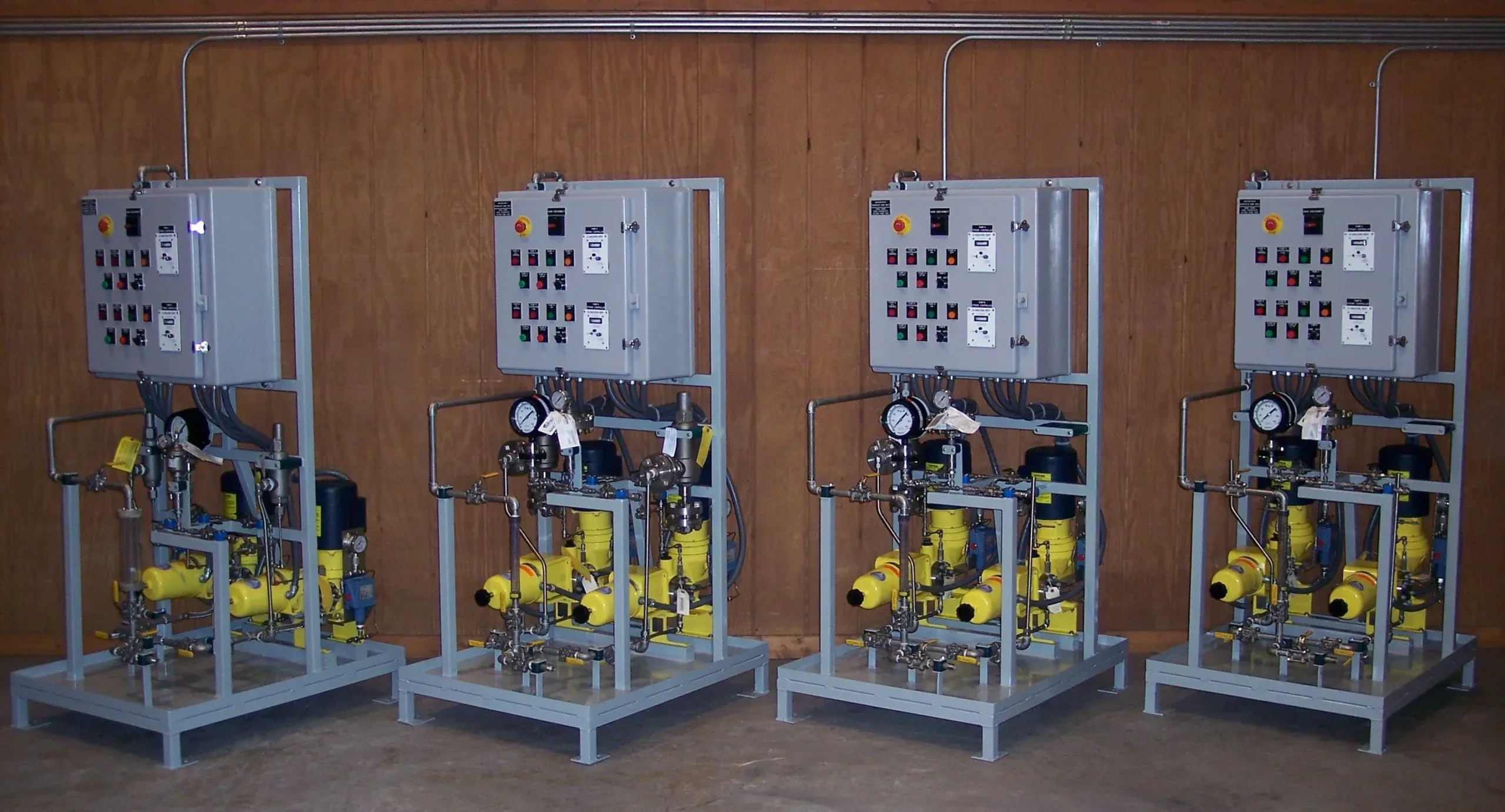
Modern manufacturing relies on mixing equipment that can handle liquids, powders, pastes, and other materials while maintaining consistent quality throughout every production batch. Advances in automation, digital controls, and energy-efficient designs have made these machines more precise and reliable than ever before.
This guide explains how Chemical Mixing Equipment works, the different types available, common industrial applications, important components, and the technology shaping the future of industrial mixing.
Understanding Chemical Mixing Equipment
Chemical Mixing Equipment refers to machines designed to combine two or more materials into a uniform mixture. Depending on the production process, the equipment may mix liquids, dissolve solids, blend powders, suspend particles, or create emulsions.
The equipment is used across many industries, including:
- Chemical manufacturing
- Water treatment
- Food processing
- Pharmaceutical production
- Cosmetics manufacturing
- Paint and coating production
- Agriculture
- Textile manufacturing
- Paper processing
- Industrial cleaning product manufacturing
Each application requires different mixing speeds, tank designs, and processing methods.
Why Industrial Mixing Matters
Consistent mixing is an important part of manufacturing. Even small differences in blending can affect the final product's appearance, texture, stability, or performance.
Proper mixing helps manufacturers achieve:
- Uniform product quality
- Even ingredient distribution
- Stable production processes
- Improved production efficiency
- Consistent batch results
- Better quality control
Reliable mixing also helps reduce material waste during production.
How Chemical Mixing Equipment Works
Although equipment designs vary, the basic operating principle remains similar.
Material Preparation
Raw materials are measured before entering the mixing vessel.
Accurate ingredient measurement supports consistent production.
Loading the Mixing Tank
Liquids, powders, or other ingredients are added to the mixing vessel in a planned sequence.
Some production processes require gradual ingredient addition to achieve the desired mixture.
Mixing Process
An agitator or mixing blade rotates inside the tank to blend materials together.
The speed and mixing pattern depend on the product being manufactured.
Monitoring
Operators or automated systems monitor temperature, mixing speed, pressure, and processing time throughout production.
Discharge
Once mixing is complete, the finished product moves to storage tanks or packaging equipment.
Main Types of Chemical Mixing Equipment
Different production processes require different mixing technologies.
Agitator Mixers
Agitator mixers use rotating blades or impellers to blend liquid materials.
These systems are common in chemical processing and water treatment.
High-Shear Mixers
High-shear mixers create strong mixing forces that help disperse particles and produce smooth mixtures.
They are frequently used when manufacturing creams, emulsions, and coatings.
Ribbon Blenders
Ribbon blenders mix powders and dry materials using specially shaped internal ribbons.
These machines help achieve even distribution of ingredients.
Paddle Mixers
Paddle mixers gently blend materials without excessive agitation.
They are suitable for products that require careful handling.
Static Mixers
Static mixers contain stationary internal elements that mix fluids as they flow through a pipeline.
No moving mechanical parts are required during operation.
Main Components
Most Chemical Mixing Equipment includes several essential components.
Mixing Tank
The tank holds raw materials throughout the mixing process.
Tank size varies according to production requirements.
Agitator
The agitator creates movement that blends ingredients together.
Different blade designs produce different flow patterns.
Motor
Electric motors provide the power needed to rotate the mixing system.
Variable-speed motors allow operators to adjust mixing intensity.
Control Panel
Modern equipment often includes digital control systems for monitoring production.
Operators can adjust mixing speed, temperature, and operating time.
Industries That Use Chemical Mixing Equipment
Mixing equipment supports numerous industrial sectors.
Chemical Manufacturing
Chemical plants produce cleaning products, industrial fluids, solvents, and specialty formulations using controlled mixing systems.
Food Processing
Food manufacturers mix ingredients for sauces, beverages, dairy products, and other prepared foods.
Pharmaceutical Manufacturing
Medicine production often requires highly controlled mixing to maintain consistent formulations.
Water Treatment
Treatment facilities use mixing equipment to prepare chemical solutions used during water purification.
Cosmetics
Lotions, creams, shampoos, and personal care products all depend on accurate mixing processes.
Automation in Modern Mixing Systems
Automation has transformed industrial mixing over recent years.
Modern systems commonly include:
- Automatic ingredient dosing
- Digital speed control
- Temperature monitoring
- Production data recording
- Remote equipment monitoring
- Automatic cleaning sequences
Automation helps maintain consistency while simplifying production management.
Quality Control
Quality checks are performed throughout the mixing process.
Manufacturers may evaluate:
- Mixture consistency
- Viscosity
- Density
- Temperature
- Appearance
- Mixing time
These measurements help confirm that products meet established manufacturing standards.
Safety Considerations
Industrial mixing equipment operates under carefully managed safety procedures.
Common safety features include:
- Emergency stop buttons
- Protective covers
- Motor overload protection
- Temperature monitoring
- Pressure monitoring
- Safety interlocks
Routine inspections also help maintain safe equipment operation.
Environmental Responsibility
Many manufacturers are improving production efficiency while reducing environmental impact.
Current approaches include:
- Energy-efficient motors
- Improved mixing efficiency
- Reduced material waste
- Water-saving cleaning systems
- Process optimization
- Recycling production materials where appropriate
These practices support more sustainable manufacturing.
Chemical Mixing Equipment Overview
| Equipment Type | Typical Application |
|---|---|
| Agitator Mixer | Liquid blending |
| High-Shear Mixer | Emulsions and creams |
| Ribbon Blender | Powder mixing |
| Paddle Mixer | Gentle blending |
| Static Mixer | Continuous fluid mixing |
Emerging Technology
Industrial mixing continues evolving through digital innovation.
Recent developments include:
- Artificial intelligence for process optimization
- Smart industrial sensors
- Predictive equipment maintenance
- Cloud-based production monitoring
- Automated recipe management
- Advanced energy management systems
These technologies help manufacturers improve production accuracy while maintaining efficient operations.
Looking Ahead
As manufacturing continues adopting Industry 4.0 technologies, Chemical Mixing Equipment is becoming more intelligent and connected. Future systems are expected to include even greater automation, improved real-time monitoring, enhanced process control, and better integration with other production equipment.
These developments support consistent manufacturing while helping industries respond to changing production requirements.
Conclusion
Chemical Mixing Equipment plays an essential role in producing many of the products used every day across industries such as chemicals, pharmaceuticals, food processing, cosmetics, and water treatment. By combining carefully designed mixing systems with automation, quality control, and digital monitoring, manufacturers can produce consistent and reliable formulations. As technology continues advancing, industrial mixing equipment is expected to become even more efficient, precise, and adaptable to modern manufacturing needs.