Industrial Gas Turbine Power Generators Complete Guide to Modern Energy Systems
Reliable power generation is essential for industries, utilities, and large-scale infrastructure projects. Industrial Gas Turbine Power Generators are widely used to produce electricity and mechanical power with high efficiency, operational flexibility, and dependable performance.
These systems convert the energy released from fuel combustion into rotational energy that drives an electrical generator, making them a key technology in modern power plants and industrial facilities.
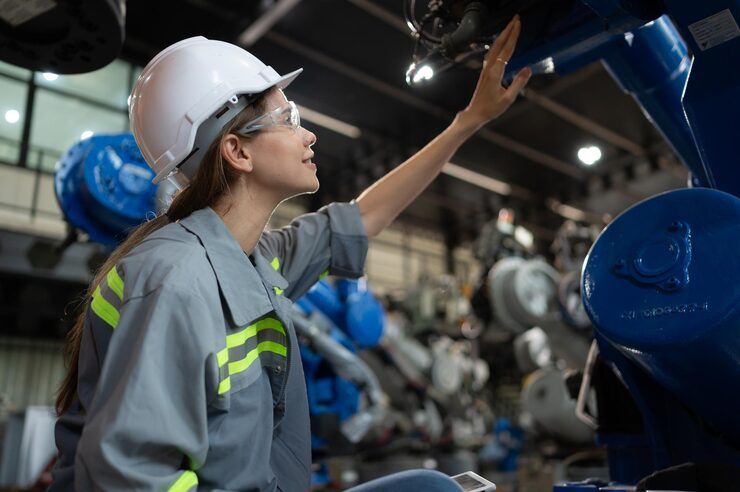
Advances in turbine engineering, digital controls, automation, and emissions reduction technologies have significantly improved the performance of industrial gas turbines. Today, they are used in combined-cycle power plants, manufacturing facilities, oil and gas operations, district energy systems, and emergency backup power applications.
Note: Generator capacity, fuel compatibility, efficiency, emissions performance, operating conditions, and maintenance requirements vary by manufacturer and installation. This article is intended for general educational purposes only.
What Are Industrial Gas Turbine Power Generators?
Industrial Gas Turbine Power Generators are power generation systems that use a gas turbine engine to drive an electrical generator. Air is compressed, mixed with fuel, and ignited inside the combustion chamber. The resulting high-temperature gases expand through turbine blades, causing the turbine shaft to rotate and generate electricity.
These systems commonly operate using fuels such as:
Natural gas
Liquefied petroleum gas (LPG)
Diesel in certain dual-fuel configurations
Biogas where supported
Hydrogen blends in selected modern turbine designs
Fuel compatibility depends on the turbine model and system configuration.
How Gas Turbine Power Generation Works
Industrial gas turbine systems operate through a continuous energy conversion process.
Air Compression
Ambient air enters the compressor, where pressure is increased before combustion.
Fuel Combustion
Compressed air mixes with fuel in the combustion chamber and ignites, producing high-temperature, high-pressure gases.
Turbine Rotation
The expanding gases pass through turbine blades, causing the turbine shaft to rotate.
Electricity Generation
The rotating shaft drives an electrical generator that converts mechanical energy into electrical power.
Exhaust Heat Recovery
In combined-cycle facilities, exhaust heat may be recovered to produce steam and generate additional electricity, improving overall efficiency.
Benefits of Industrial Gas Turbine Power Generators
Gas turbine technology offers several operational advantages.
Potential benefits include:
High power output
Fast startup capability
Continuous operation
Compact system design
High reliability
Flexible fuel options
Integration with combined-cycle systems
Support for industrial energy demands
Actual performance depends on system design, operating conditions, and maintenance practices.
Common Industrial Applications
Industrial gas turbine generators are used across numerous sectors.
Examples include:
Utility power generation
Manufacturing plants
Oil and gas facilities
Petrochemical complexes
Mining operations
District energy systems
Marine propulsion support
Emergency backup power for critical infrastructure
Each application requires equipment sized to meet specific operational requirements.
Combined-Cycle Power Generation
Many modern power plants use combined-cycle technology to improve efficiency.
In a combined-cycle system:
The gas turbine generates electricity.
Hot exhaust gases are captured by a heat recovery steam generator (HRSG).
Steam drives a separate steam turbine.
Additional electricity is produced without extra fuel combustion.
This approach can significantly improve overall plant efficiency compared with simple-cycle operation.
Choosing an Industrial Gas Turbine System
Organizations often evaluate several factors before selecting equipment.
Important considerations include:
Power output requirements
Fuel availability
Thermal efficiency
Emissions performance
Installation footprint
Maintenance intervals
Digital monitoring capabilities
Lifecycle operating costs
Proper system selection supports long-term operational reliability.
Industrial Gas Turbine Power Generators Overview
| Feature | Primary Benefit |
|---|---|
| Gas Turbine Engine | Converts fuel energy into mechanical power |
| Electrical Generator | Produces electrical energy |
| Combustion System | Generates high-temperature gases |
| Compressor | Supplies pressurized air |
| Digital Control System | Optimizes performance and monitoring |
| Heat Recovery System | Improves efficiency in combined-cycle plants |
Best Practices for Reliable Operation
Routine maintenance and operational planning support dependable performance.
Helpful recommendations include:
Follow manufacturer maintenance schedules.
Monitor turbine operating parameters continuously.
Inspect combustion components regularly.
Maintain proper fuel quality.
Monitor vibration and bearing conditions.
Calibrate control systems periodically.
Train operators thoroughly.
Maintain detailed maintenance records.
Preventive maintenance helps maximize equipment availability and efficiency.
Current Industry Trends
Gas turbine technology continues to evolve.
Recent developments include:
Artificial intelligence-assisted performance optimization
Digital twin technology
Predictive maintenance systems
Industrial Internet of Things (IIoT) connectivity
Hydrogen-capable turbine development
Advanced emissions control technologies
Cloud-based operational analytics
Smart power plant automation
These innovations improve efficiency, reliability, and operational visibility.
Looking Ahead
The future of Industrial Gas Turbine Power Generators is expected to include greater use of hydrogen and alternative fuels, AI-powered operational optimization, enhanced predictive maintenance, and deeper integration with renewable energy systems. As global energy systems continue to modernize, gas turbines are likely to remain an important part of flexible and efficient electricity generation.
Why Understanding Industrial Gas Turbine Power Generators Matters
Understanding Industrial Gas Turbine Power Generators helps engineers, facility managers, and decision-makers evaluate modern power generation technologies that support industrial productivity, energy efficiency, and operational reliability. Careful equipment selection and proactive maintenance contribute to dependable long-term performance.
Conclusion
Industrial Gas Turbine Power Generators are a cornerstone of modern power generation, providing efficient and reliable electricity for industries, utilities, and critical infrastructure. Through advanced combustion systems, digital controls, combined-cycle technology, and ongoing innovations in automation and fuel flexibility, these systems continue to support evolving energy demands. As the energy sector advances toward smarter and more sustainable operations, industrial gas turbine generators will remain an important component of global power infrastructure.