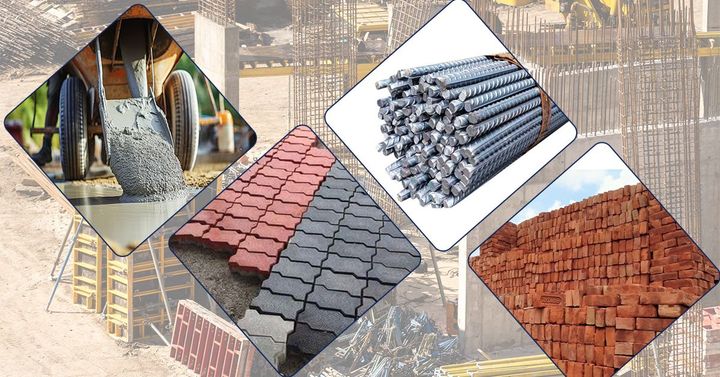
Discover How Building Construction Materials Shape Modern Infrastructure and Development
Building Construction Materials form the foundation of modern infrastructure, residential buildings, commercial facilities, transportation systems, and public spaces. These materials include a wide range of products used to create structures that support daily life, economic activity, and community development.
Throughout history, humans have relied on locally available resources such as stone, wood, clay, and earth to construct shelters and public buildings. As engineering knowledge advanced, additional materials such as concrete, steel, glass, and composite products became widely used. These developments allowed the construction of taller buildings, stronger bridges, and more durable infrastructure.
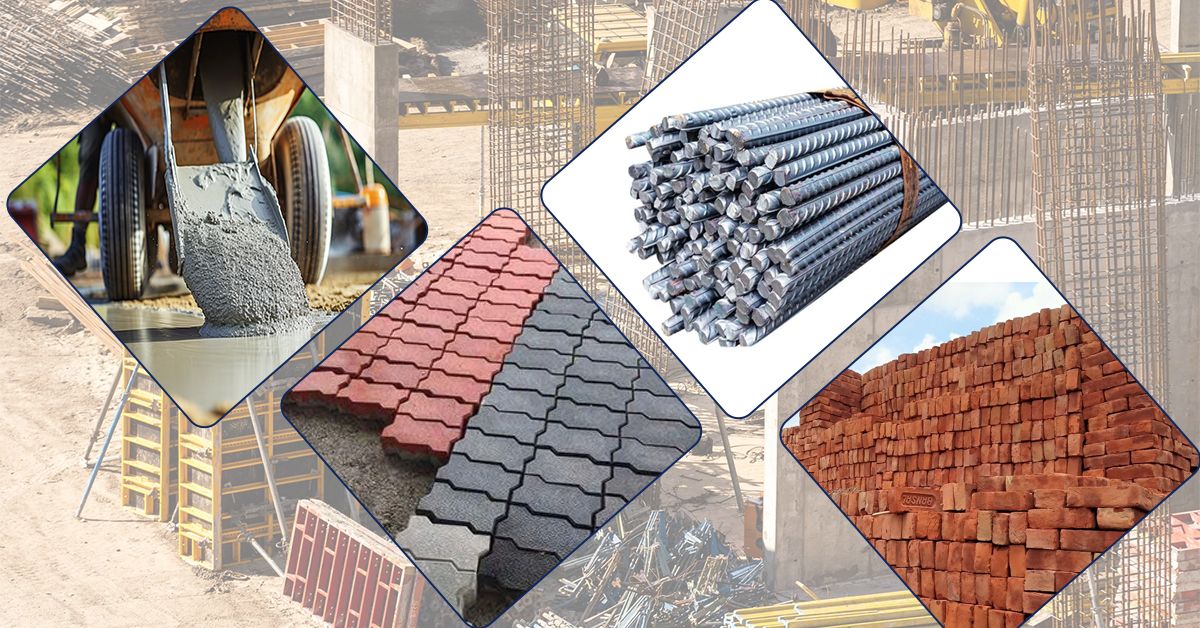
Today, Building Construction Materials are selected based on factors such as strength, durability, environmental performance, safety, and intended application. Engineers, architects, contractors, and planners work together to determine which materials are suitable for specific projects.
Modern construction depends on combining multiple materials to achieve structural stability, energy efficiency, functionality, and long-term performance. Understanding these materials helps explain how cities, transportation networks, and public facilities continue to evolve.
Common Categories of Building Construction Materials
Different projects require different materials depending on design and performance requirements.
| Material Type | Common Uses |
|---|---|
| Concrete | Foundations, bridges, buildings |
| Steel | Structural frames, reinforcement |
| Wood | Residential construction, interiors |
| Glass | Windows, facades, partitions |
| Brick | Walls, exterior finishes |
| Stone | Architectural elements, landscaping |
| Aluminum | Roofing, cladding, frames |
| Composite Materials | Specialized structural applications |
Each material contributes unique characteristics to modern construction projects.
Importance
Building Construction Materials influence the safety, functionality, and longevity of structures used every day.
Supporting Infrastructure Development
Infrastructure projects such as roads, airports, rail systems, and utility networks depend on reliable construction materials.
Strong and durable materials help structures withstand environmental conditions and continuous use over extended periods.
Enhancing Structural Safety
Safety remains one of the primary considerations in construction. Materials must meet specific performance requirements to support loads, resist damage, and maintain stability.
Examples include:
- Reinforced concrete for foundations
- Structural steel for high-rise buildings
- Fire-resistant materials for safety systems
- Protective coatings for durability
These materials contribute to safer built environments.
Improving Energy Efficiency
Modern buildings often incorporate materials designed to improve energy performance.
Examples include:
- Insulated wall systems
- Energy-efficient glazing
- Reflective roofing materials
- Thermal insulation products
These materials help regulate indoor temperatures and support sustainable building practices.
Supporting Urban Growth
Growing populations require expanded housing, transportation systems, healthcare facilities, educational institutions, and commercial spaces.
Building Construction Materials make it possible to develop infrastructure capable of supporting increasing urban demands.
Encouraging Innovation
Construction materials continue to evolve through advances in science and engineering. New products are designed to improve durability, reduce environmental impact, and enhance construction efficiency.
Innovation allows the industry to address modern challenges while maintaining safety and performance standards.
Recent Updates
The construction sector continues to experience significant changes in material technology and building practices.
Growth of Sustainable Materials
Environmental considerations have increased interest in sustainable construction materials.
Current developments include:
- Recycled construction materials
- Low-carbon concrete alternatives
- Engineered timber products
- Recycled metal applications
These materials support efforts to reduce environmental impacts associated with construction activities.
Increased Use of Smart Materials
Researchers and manufacturers continue to explore materials capable of responding to environmental conditions.
Examples include:
- Self-monitoring structural components
- Advanced insulation systems
- Temperature-responsive materials
- Smart glazing technologies
Such innovations may improve building performance and maintenance planning.
Advances in Prefabrication
Prefabricated construction components are becoming more common in modern projects.
Benefits often include:
- Improved consistency
- Faster assembly processes
- Reduced material waste
- Enhanced quality control
Many Building Construction Materials are now manufactured in controlled environments before arriving at project sites.
Digital Integration in Material Selection
Digital technologies increasingly support construction planning and material management.
Modern tools allow professionals to:
- Evaluate material performance
- Simulate building behavior
- Analyze environmental impacts
- Improve project coordination
These capabilities help support informed decision-making.
Focus on Resilience
Infrastructure resilience has become a major area of attention. Construction materials are being developed and tested to withstand extreme weather events, seismic activity, and changing environmental conditions.
This trend reflects growing awareness of long-term infrastructure reliability.
Laws or Policies
Building Construction Materials are subject to regulations and standards that help ensure public safety and construction quality.
Building Codes
Most countries maintain building codes that specify minimum requirements for construction materials and structural systems.
Building codes typically address:
- Structural safety
- Fire resistance
- Accessibility
- Energy performance
- Occupant protection
Compliance helps create safer buildings and infrastructure.
Environmental Regulations
Environmental policies influence how materials are manufactured, transported, and used.
Areas commonly regulated include:
- Emissions management
- Resource conservation
- Waste reduction
- Recycling practices
These regulations encourage responsible construction activities.
Product Certification Requirements
Many construction materials undergo testing and certification before being used in projects.
Certification may evaluate:
- Strength
- Durability
- Fire performance
- Environmental resistance
- Quality consistency
Testing helps verify material suitability for specific applications.
Occupational Safety Standards
Construction materials are often subject to workplace safety requirements.
Regulations may address:
- Material handling procedures
- Storage practices
- Protective equipment requirements
- Hazard communication
These measures support worker safety throughout construction activities.
Infrastructure Development Programs
Governments frequently establish infrastructure programs that influence material demand and construction standards.
Public investment initiatives often contribute to the development of transportation networks, public facilities, utilities, and housing projects.
Tools and Resources
Various tools and resources assist professionals involved in material selection, project planning, and construction management.
Building Information Modeling Software
Building Information Modeling (BIM) platforms help engineers and architects manage project data throughout the design and construction process.
Common BIM platforms include:
- Autodesk Revit
- Bentley Systems applications
- Archicad
- Tekla Structures
These tools support visualization and coordination.
Material Performance Databases
Technical databases provide information about material characteristics and performance metrics.
Common data categories include:
- Compressive strength
- Thermal performance
- Durability ratings
- Fire resistance classifications
- Environmental properties
Such resources assist with material evaluation.
Engineering Standards Organizations
Professional organizations publish standards related to construction materials and engineering practices.
Examples include:
- ISO
- ASTM International
- National standards agencies
- Construction industry associations
These standards support consistency across projects.
Environmental Assessment Tools
Assessment platforms help evaluate the environmental impact of building materials.
These tools may examine:
- Resource consumption
- Carbon emissions
- Material life cycles
- Waste generation
Environmental analysis supports sustainable construction planning.
Construction Management Platforms
Digital project management tools assist with material tracking and project coordination.
Common functions include:
- Scheduling
- Documentation
- Inventory management
- Progress monitoring
These resources improve project organization and communication.
FAQs
What are Building Construction Materials?
Building Construction Materials are products used to create structures such as homes, commercial buildings, bridges, roads, and public infrastructure. Common examples include concrete, steel, wood, glass, and brick.
Why are Building Construction Materials important?
Building Construction Materials influence structural safety, durability, energy efficiency, and overall building performance. They form the foundation of modern infrastructure and development.
What are the most commonly used Building Construction Materials?
Some of the most widely used materials include concrete, steel, wood, glass, brick, stone, and aluminum. The choice depends on project requirements and environmental conditions.
How do Building Construction Materials support sustainable construction?
Many modern materials are designed to improve energy efficiency, reduce resource consumption, support recycling initiatives, and lower environmental impacts throughout a building's lifecycle.
Are Building Construction Materials regulated?
Yes. Construction materials are generally subject to building codes, safety regulations, environmental requirements, and industry standards that help ensure quality and public safety.
Conclusion
Building Construction Materials play a critical role in shaping modern infrastructure, housing, transportation systems, and public facilities. Advances in engineering, sustainability, and digital technologies continue to influence how materials are developed and used. Regulations and standards help maintain safety, durability, and environmental responsibility across construction projects. As urban development and infrastructure needs continue to evolve, construction materials remain essential to creating functional and resilient built environments.