Offshore Wind Farms Complete Guide to Renewable Energy and Sustainable Power Generation
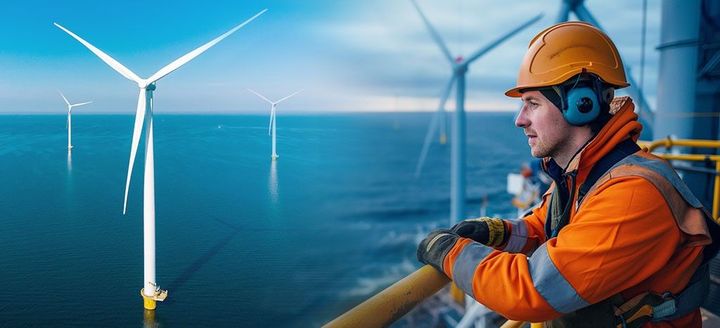
When people picture wind energy, they often imagine rows of turbines standing across open fields. Today, however, many of the world's largest wind energy projects are located far from the coastline, where steady ocean winds provide excellent conditions for generating electricity.
These projects, known as Offshore Wind Farms, have become an important part of the global transition toward renewable energy.
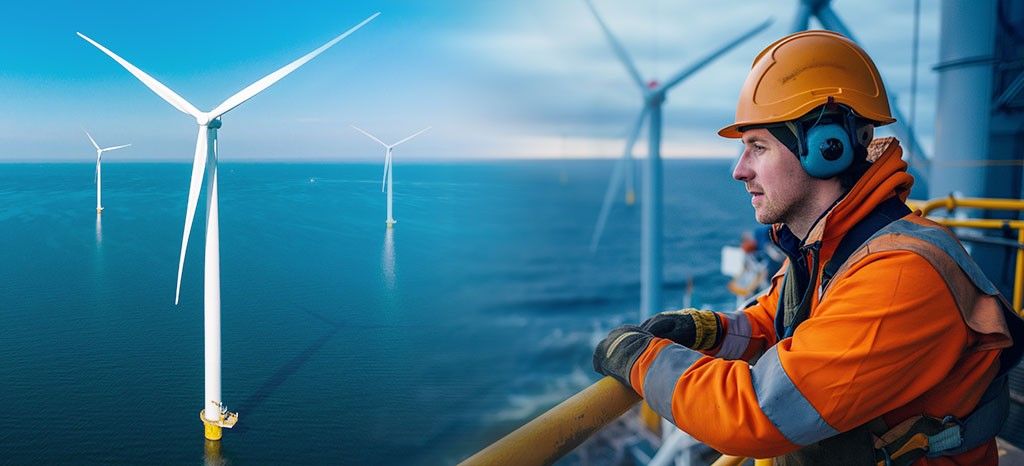
Building wind turbines at sea requires advanced engineering, careful planning, and close attention to environmental conditions. From massive foundations beneath the water to underwater cables that carry electricity back to land, every part of an offshore wind farm is designed to operate reliably in challenging marine environments.
This guide explains what Offshore Wind Farms are, how they generate electricity, the equipment involved, their environmental role, and the technologies shaping the future of offshore renewable energy.
Understanding Offshore Wind Farms
Offshore Wind Farms are groups of wind turbines installed in oceans, seas, or large coastal waters to generate electricity from wind. Unlike onshore wind farms, these projects are located several kilometers from the shoreline, where wind speeds are often stronger and more consistent.
Each turbine converts the movement of wind into electrical energy. The electricity produced by multiple turbines is collected through underwater cables before being transmitted to the electrical grid on land.
Many countries are expanding offshore wind projects as part of their renewable energy strategies.
Why Offshore Wind Farms Matter
Electricity demand continues growing as populations increase and technology becomes more integrated into everyday life. Renewable energy sources help diversify electricity generation while reducing dependence on fossil fuels.
Offshore Wind Farms contribute by:
- Producing renewable electricity
- Supporting energy diversification
- Utilizing strong coastal wind resources
- Supplying electricity to homes and industries
- Encouraging technological innovation
- Supporting long-term energy planning
Their location over water also reduces competition for land used in agriculture or urban development.
How Offshore Wind Farms Generate Electricity
The process begins with the natural movement of wind across the sea.
Wind Turns the Blades
Wind flows over specially designed turbine blades, causing the rotor to rotate.
Blade design allows turbines to capture energy efficiently across different wind speeds.
Mechanical Energy
The rotating blades drive a central shaft connected to the turbine's mechanical system.
Electricity Generation
The rotating shaft powers a generator that converts mechanical energy into electricity.
Power Collection
Electricity from each turbine travels through underwater cables to an offshore substation.
The substation increases the voltage before transmitting electricity to the mainland through export cables.
Main Components of Offshore Wind Farms
Several engineering systems work together to generate electricity safely and efficiently.
Wind Turbines
Each turbine includes blades, a rotor, a nacelle, a generator, and a tall support tower.
Modern offshore turbines are significantly larger than many earlier designs.
Foundations
The foundation secures each turbine to the seabed.
Foundation types vary depending on water depth and seabed conditions.
Offshore Substations
Substations collect electricity generated by multiple turbines before transmitting it toward land.
Underwater Cables
Submarine cables transport electricity safely beneath the sea.
These cables are carefully protected during installation.
Types of Offshore Wind Foundations
Different ocean conditions require different foundation designs.
Monopile Foundations
A single large steel pile is driven into the seabed to support the turbine.
This design is common in relatively shallow waters.
Jacket Foundations
Jacket structures consist of steel frameworks anchored to the seabed.
They provide stability in deeper waters.
Floating Platforms
Floating foundations are designed for locations where the water is too deep for fixed structures.
Anchoring systems hold the platform in position while allowing controlled movement.
Advantages of Offshore Wind Farms
Several characteristics make offshore wind an attractive renewable energy option.
Some important advantages include:
- Stronger average wind speeds
- More consistent wind conditions
- Large installation areas
- Renewable electricity generation
- Reduced competition for land resources
- Long operational lifespans with proper maintenance
These features contribute to growing global interest in offshore renewable energy.
Environmental Considerations
Every large infrastructure project requires careful environmental planning.
Before construction begins, environmental studies examine:
- Marine ecosystems
- Fish populations
- Bird migration
- Water quality
- Seabed conditions
- Coastal environments
Ongoing monitoring continues throughout the operational life of the wind farm.
Construction Process
Building Offshore Wind Farms involves several carefully planned stages.
Typical steps include:
- Marine surveys
- Seabed preparation
- Foundation installation
- Tower assembly
- Turbine installation
- Cable installation
- Electrical testing
- Grid connection
Specialized installation vessels perform much of this work.
Technology Supporting Offshore Wind
Modern offshore projects rely on advanced engineering technologies.
Smart Sensors
Sensors continuously monitor turbine performance.
Important measurements include:
- Wind speed
- Blade movement
- Vibration
- Temperature
- Generator performance
Remote Monitoring
Control centers observe wind farm operations using digital communication systems.
Many operational adjustments can be made remotely.
Artificial Intelligence
Artificial intelligence assists with maintenance planning, equipment monitoring, and performance analysis.
Drones
Inspection drones help evaluate blades and towers without requiring extensive manual access.
Offshore Wind Farm Components Overview
| Component | Primary Purpose |
|---|---|
| Wind Turbine | Generates electricity |
| Foundation | Supports the turbine |
| Offshore Substation | Collects and manages electrical power |
| Underwater Cable | Transfers electricity to shore |
| Monitoring System | Tracks equipment performance |
Challenges in Offshore Development
Operating equipment in marine environments presents unique engineering challenges.
Common considerations include:
- Strong ocean waves
- Saltwater corrosion
- Marine weather conditions
- Equipment accessibility
- Long-distance power transmission
- Complex installation procedures
Modern engineering continues improving solutions for these conditions.
Future Developments
Offshore wind technology continues advancing rapidly.
Current areas of innovation include:
- Larger turbine designs
- Floating wind platforms
- Improved underwater cable technology
- Artificial intelligence integration
- Digital twin systems
- Enhanced predictive maintenance
- Smarter energy management
These developments support more efficient renewable electricity generation.
Why Offshore Wind Matters for Everyday Life
Although many people never visit an offshore wind farm, the electricity generated by these facilities supports homes, businesses, schools, hospitals, and transportation systems.
As renewable energy becomes a larger part of national electricity networks, Offshore Wind Farms contribute to a more diverse energy mix while encouraging continued advances in engineering, digital technology, and sustainable infrastructure.
Conclusion
Offshore Wind Farms combine renewable energy, advanced engineering, and modern digital technology to generate electricity from strong coastal winds. Through carefully designed turbines, marine foundations, underwater transmission systems, and intelligent monitoring, these projects support reliable renewable power generation. As technology continues evolving, offshore wind is expected to remain an important part of global energy development while contributing to long-term sustainability goals.