Petrochemical Refining Systems Essential Insights for Engineers and Industry Professionals
Every day, people rely on products that begin their journey inside large industrial facilities. Fuel for transportation, plastics used in household items, synthetic fibers in clothing, and materials found in medical equipment all depend on carefully managed refining processes.
At the heart of this production network are Petrochemical Refining Systems, which transform crude oil and natural gas into valuable raw materials used across countless industries.
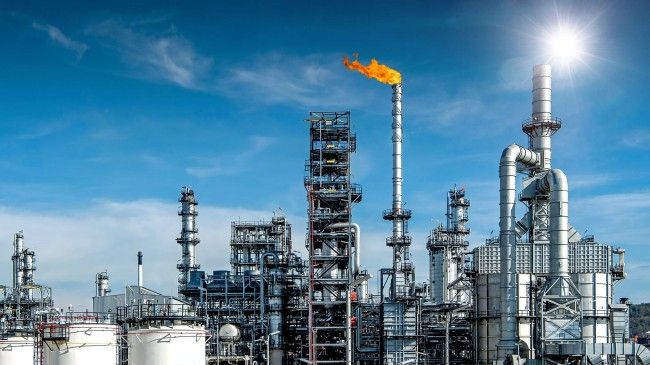
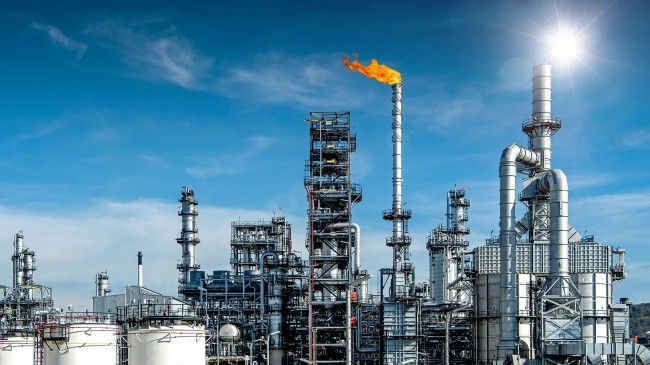
Although these systems involve complex engineering, the basic principle is easy to understand. Raw hydrocarbons enter a refinery, pass through a series of processing units, and are separated or chemically transformed into products with different properties. Modern refineries combine advanced equipment, digital monitoring, automation, and strict safety procedures to maintain stable production while supporting environmental goals.
This guide explains how Petrochemical Refining Systems work, the major processing stages, essential equipment, technological developments, and why these systems remain an important part of modern industry.
Understanding Petrochemical Refining Systems
Petrochemical Refining Systems are integrated industrial processes that separate, convert, and refine crude oil or natural gas into useful fuels and petrochemical feedstocks. These feedstocks become the foundation for thousands of products used in transportation, construction, healthcare, electronics, packaging, and manufacturing.
Instead of producing a single material, a refinery generates multiple products through different processing stages.
Common outputs include:
- Gasoline components
- Diesel components
- Aviation fuel
- Liquefied petroleum gas
- Lubricating oils
- Petrochemical feedstocks
- Bitumen
- Industrial gases
Each product is processed according to specific quality requirements.
Why Petrochemical Refining Systems Matter
Modern industries depend on refined petroleum products every day.
Refined materials contribute to the production of:
- Plastics
- Medical equipment
- Packaging materials
- Synthetic rubber
- Industrial solvents
- Textiles
- Construction materials
- Automotive components
Without refining systems, crude oil could not be transformed into the wide variety of materials used throughout modern society.
From Crude Oil to Finished Products
The refining process involves several carefully controlled stages.
Receiving Raw Materials
Production begins when crude oil or natural gas arrives at the refinery through pipelines, ships, rail systems, or storage facilities.
Before processing begins, samples are analyzed to understand the composition of the incoming material.
Initial Separation
The first major step is separating crude oil into different fractions according to their boiling points.
This process takes place inside a large distillation column where controlled heating separates lighter and heavier hydrocarbons.
Products leaving this stage include gases, gasoline fractions, kerosene, diesel fractions, and heavier oils.
Conversion Processes
Some heavier materials require additional processing before they become useful products.
Conversion technologies change the molecular structure of hydrocarbons to produce lighter and more valuable materials.
Purification
Various treatment units remove sulfur compounds and other impurities from intermediate products.
Purification helps products meet environmental and industrial quality standards.
Blending
After processing, different components are blended to achieve the required product specifications.
Blending helps maintain consistent performance across production batches.
Major Equipment Used
Modern Petrochemical Refining Systems include a wide range of specialized equipment.
Distillation Columns
These tall processing towers separate hydrocarbons according to boiling temperature.
Distillation remains one of the most important refinery operations.
Heat Exchangers
Heat exchangers transfer thermal energy between process streams, improving energy efficiency.
Reactors
Chemical reactions take place inside reactors where catalysts and controlled temperatures modify hydrocarbon structures.
Pumps and Compressors
These systems move liquids and gases throughout the refinery.
Reliable flow management supports continuous production.
Storage Tanks
Large tanks store raw materials, intermediate products, and finished products before transportation.
Automation and Digital Control
Modern refining facilities rely heavily on automation.
Computerized systems continuously monitor thousands of operating conditions throughout the refinery.
Examples include:
- Temperature
- Pressure
- Flow rate
- Liquid levels
- Equipment performance
- Energy consumption
Automation allows operators to respond quickly to changing process conditions.
Safety in Refining Operations
Safety is one of the most important priorities within refinery operations.
Facilities commonly include:
- Emergency shutdown systems
- Gas detection equipment
- Fire protection systems
- Pressure relief devices
- Continuous equipment monitoring
- Safety training programs
Routine inspections and preventive maintenance also help support safe operations.
Environmental Considerations
Refineries continue adopting technologies that improve environmental performance.
Many facilities focus on:
- Lower emissions
- Improved energy efficiency
- Water conservation
- Waste reduction
- Heat recovery
- Process optimization
These efforts help reduce environmental impact while maintaining production stability.
Industries That Depend on Refined Products
Products created through Petrochemical Refining Systems support many sectors.
Transportation
Vehicles, ships, and aircraft rely on refined fuels and lubricants.
Manufacturing
Factories use petrochemical feedstocks to produce plastics, coatings, adhesives, and synthetic materials.
Healthcare
Medical equipment, laboratory supplies, and pharmaceutical packaging often contain materials produced from petrochemical feedstocks.
Construction
Insulation, waterproofing materials, piping, flooring, and roofing products frequently depend on refined materials.
Consumer Products
Everyday items such as containers, electronics, household appliances, and sports equipment commonly include petrochemical-based materials.
Technology Trends
Digital innovation continues transforming refinery operations.
Recent developments include:
- Artificial intelligence for process optimization
- Predictive equipment maintenance
- Smart industrial sensors
- Digital process simulation
- Cloud-based monitoring
- Advanced process analytics
These technologies help improve operational efficiency while supporting stable production.
Petrochemical Refining Equipment Overview
| Equipment | Main Function |
|---|---|
| Distillation Column | Separates hydrocarbons |
| Heat Exchanger | Transfers heat between process streams |
| Reactor | Performs chemical conversion |
| Pump | Moves liquids through the system |
| Compressor | Transfers gases under pressure |
| Storage Tank | Holds raw materials and finished products |
Looking Toward the Future
As industries continue changing, Petrochemical Refining Systems are evolving alongside new technologies.
Current areas of development include improved automation, digital twins, advanced catalysts, energy-efficient processing, carbon management technologies, and enhanced process monitoring. These innovations help refineries operate more efficiently while adapting to changing industrial and environmental expectations.
Why Understanding Refining Systems Is Valuable
Even people who never visit a refinery benefit from understanding how these systems work. Everyday products—from vehicle fuels and medical equipment to food packaging and household goods—often begin with carefully refined petrochemical materials.
Learning about refining processes also highlights the important role that engineering, chemistry, automation, and environmental management play in supporting modern industrial production.
Conclusion
Petrochemical Refining Systems transform crude oil and natural gas into the fuels and raw materials that support transportation, manufacturing, healthcare, construction, and many everyday products. Through distillation, chemical conversion, purification, and blending, these systems create materials used across countless industries. As automation, digital monitoring, and sustainable technologies continue advancing, refining systems remain an important part of modern industrial infrastructure while continuously adapting to new technological developments.