Diamond Cutting Machine Complete Guide to Precision Cutting and Modern Manufacturing
Diamonds are valued for their exceptional hardness, brilliance, and durability. Before a rough diamond becomes a polished gemstone or an industrial cutting component, it passes through several carefully planned stages.
One of the most important stages is cutting, where accuracy and precision determine the final shape and quality. A Diamond Cutting Machine plays a central role in this process by helping operators create clean, controlled cuts while reducing unnecessary material loss.
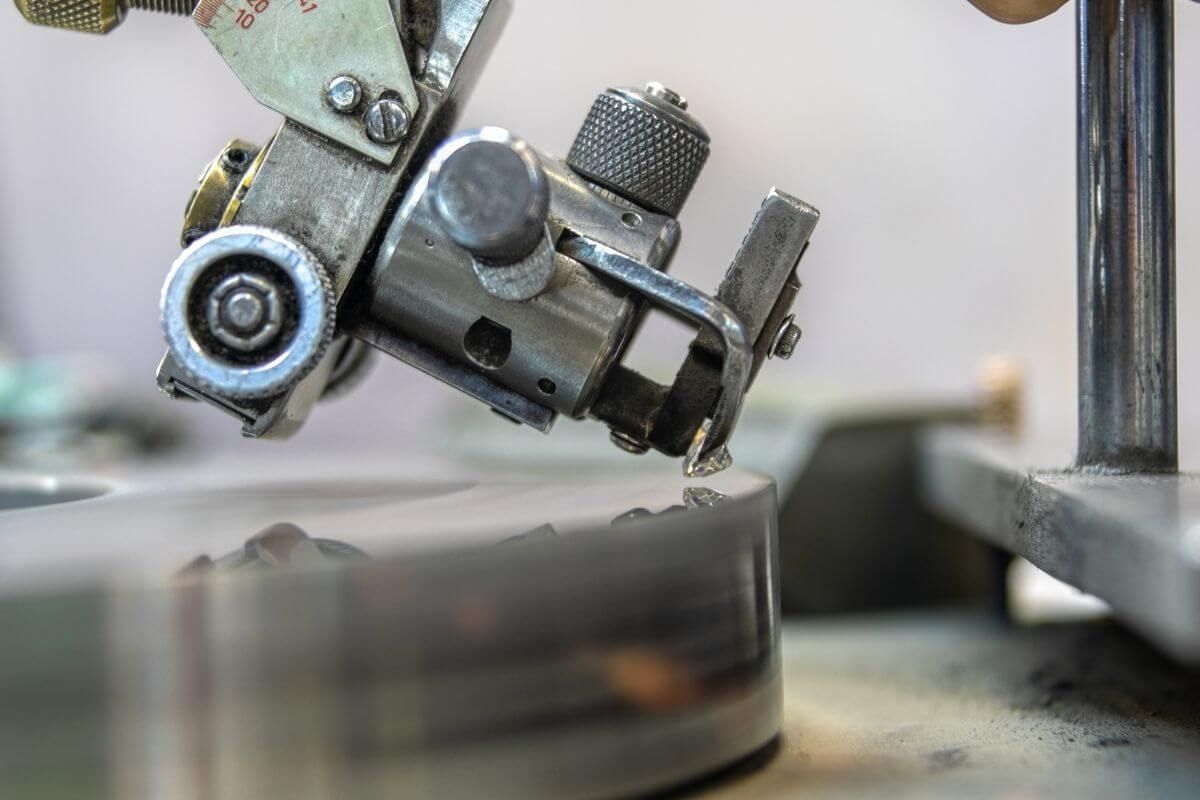
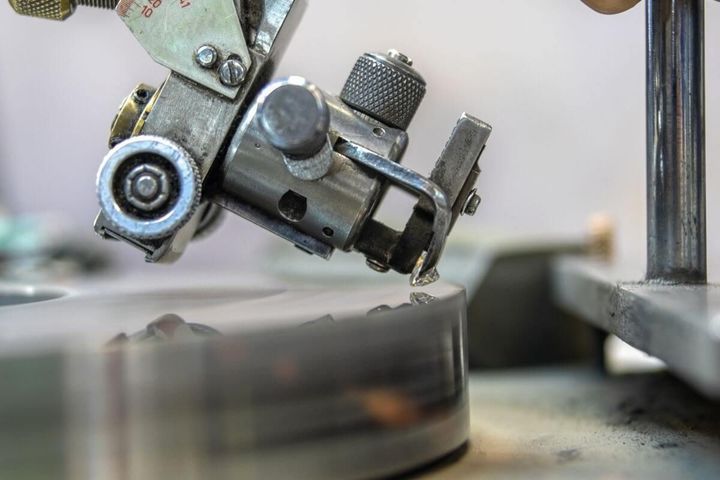
Modern diamond cutting combines traditional craftsmanship with advanced engineering. Today's machines use computer-controlled systems, laser technology, precision motors, and digital measurement tools to improve accuracy. Although experienced professionals continue to guide the process, technology has made cutting more consistent and efficient.
This guide explains what a Diamond Cutting Machine is, how it works, common types, applications, benefits, maintenance practices, safety considerations, and future developments.
What Is a Diamond Cutting Machine?
A Diamond Cutting Machine is specialized equipment designed to cut, shape, or process natural or laboratory-grown diamonds with high precision. Depending on the application, the machine may prepare rough stones for polishing or process industrial diamonds used in manufacturing tools.
Different machines perform different tasks, including:
Rough cutting
Laser cutting
Cleaving
Sawing
Shaping
Faceting
Precision trimming
Industrial diamond processing
Each stage requires careful control to maintain accuracy.
Why Diamond Cutting Machines Matter
Diamonds are among the hardest known materials, making them difficult to process using conventional cutting equipment.
A Diamond Cutting Machine helps manufacturers:
Produce accurate cuts
Improve dimensional consistency
Reduce material waste
Support repeatable production
Create complex shapes
Maintain surface quality
Accurate cutting is important for both gemstone production and industrial manufacturing.
How a Diamond Cutting Machine Works
Although machine designs vary, the general workflow follows several steps.
Material Inspection
The diamond is examined to understand its internal structure, shape, and natural characteristics.
Digital imaging systems often assist with planning the cutting path.
Positioning
The stone is carefully secured inside the machine to prevent movement during cutting.
Accurate positioning supports precise results.
Cutting Process
Depending on the equipment, cutting may use:
Laser beams
Diamond-coated blades
Precision rotary systems
Computer-controlled motion
The selected method depends on the required result.
Finishing
After cutting, the material may move to polishing or additional shaping processes.
Common Types of Diamond Cutting Machines
Several machine types are used throughout the diamond processing industry.
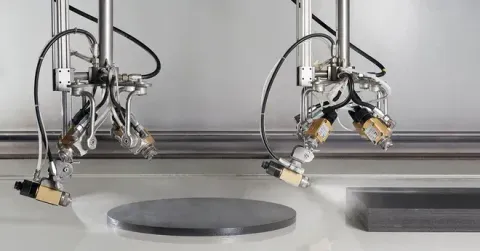
Laser Diamond Cutting Machines
Laser systems create highly accurate cuts with minimal physical contact.
These machines are commonly used for complex cutting patterns.
Diamond Sawing Machines
Sawing machines use rotating blades designed for controlled cutting.
They are often used during the initial separation of rough diamonds.
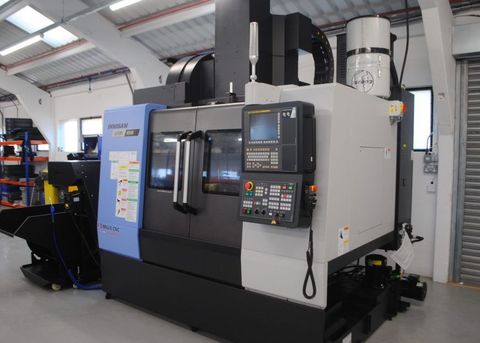
CNC Diamond Cutting Machines
Computer Numerical Control (CNC) machines automate movement according to programmed instructions.
They support repeatable manufacturing processes.
Faceting Machines
Faceting equipment creates the flat surfaces that contribute to a gemstone's appearance.
Precision remains important throughout this stage.
Industries That Use Diamond Cutting Machines
Diamond cutting technology supports many industries beyond jewelry manufacturing.
Jewelry Manufacturing
Gemstones are shaped and prepared for rings, necklaces, earrings, bracelets, and other decorative items.
Industrial Tool Manufacturing
Industrial diamonds are used in cutting tools, grinding wheels, drilling equipment, and precision machining applications.
Electronics
Diamond materials may be processed for specialized electronic and scientific components.
Research Laboratories
Research organizations study diamond materials for engineering, optics, and advanced manufacturing applications.
Technology Behind Modern Diamond Cutting
Modern equipment combines several advanced technologies.
Examples include:
Laser cutting systems
Computer numerical control
Digital imaging
Optical measurement
Motion control systems
Precision sensors
Automated positioning
These technologies improve accuracy while supporting consistent manufacturing processes.
Diamond Cutting Machine Overview
| Feature | Purpose |
|---|---|
| Laser Cutting | Produces precise cutting paths |
| CNC Control | Automates machine movement |
| Optical Inspection | Examines diamond structure |
| Precision Positioning | Stabilizes the material |
| Measurement System | Verifies cutting accuracy |
| Motion Control | Guides cutting operations |
Benefits
Manufacturers use Diamond Cutting Machines for several practical reasons.
Common advantages include:
Accurate cutting
Consistent results
Reduced material waste
Improved production efficiency
Better dimensional control
Support for complex cutting patterns
These improvements help manufacturers maintain high production quality.
Maintenance Practices
Regular maintenance supports reliable machine operation.
Important activities include:
Cleaning cutting components
Inspecting laser systems
Checking alignment
Calibrating measurement equipment
Monitoring cooling systems
Replacing worn mechanical parts when necessary
Routine maintenance contributes to consistent performance.
Safety Considerations
Operating precision machinery requires careful attention to safety.
Important practices include:
Wearing appropriate eye protection
Following machine operating procedures
Keeping work areas organized
Inspecting equipment before operation
Monitoring laser safety requirements
Receiving appropriate operator training
Safe operation helps protect both personnel and equipment.
Common Challenges
Diamond cutting involves several technical considerations.
Manufacturers often manage:
Material hardness
Precision alignment
Heat generation
Equipment calibration
Complex cutting geometry
Surface finish requirements
Careful planning helps address these challenges.
Future Trends
Diamond processing technology continues advancing.
Recent developments include:
Artificial intelligence-assisted cutting optimization
Improved laser precision
Automated inspection systems
Digital twin manufacturing
Advanced optical scanning
Predictive maintenance
Smarter CNC automation
These innovations continue improving precision manufacturing.
Looking Ahead
As manufacturing technology evolves, Diamond Cutting Machines are expected to become even more precise through artificial intelligence, improved automation, enhanced digital imaging, and smarter motion control systems. These developments will continue supporting accurate production across gemstone processing, industrial manufacturing, scientific research, and advanced engineering applications.
Why Understanding Diamond Cutting Machines Matters
Diamond processing combines engineering, precision, and careful planning. Understanding how a Diamond Cutting Machine works helps explain the technology behind one of the world's hardest materials and the equipment used to shape it for many different purposes.
Whether used in jewelry production, industrial manufacturing, electronics, or scientific research, these machines play an important role in modern precision engineering.
Conclusion
A Diamond Cutting Machine combines precision engineering, laser technology, digital measurement, and computer-controlled movement to process diamonds accurately and efficiently. By supporting controlled cutting, repeatable manufacturing, and careful material handling, these machines contribute to a wide range of industrial and gemstone applications. As technology continues advancing, Diamond Cutting Machines will remain an important part of modern manufacturing and precision processing.